





Generating website traffic is useful, but knowing which visitors could become customers is what drives B2B growth.
Unlike many consumer purchases and sales funnels, business-to-business (B2B) transactions often develop over weeks or months. Website traffic from organic searches and paid campaigns includes many potential customers who may read several pages of content, compare solutions, and involve other decision-makers before even considering contacting your sales team.
The challenge is converting early web traffic and anonymous interest into qualified leads and sales opportunities worth pursuing. This guide explains the process and strategies behind B2B lead generation.
What’s B2B lead generation?
B2B lead generation is the process of attracting potential customers for your business, capturing their initial interest, and moving them into your marketing funnel and sales pipeline. The goal isn’t just collecting contact information, but creating opportunities to nurture relationships with prospects before they’re ready to buy.
For example, an executive researching their company’s options may read one of your industry reports or attend a webinar months before requesting a demo and consultation. Taking action with follow-ups after capturing their early-funnel interest establishes a rapport and can fast-track new conversions. Passively waiting until they’re comparing vendors means that you risk losing them to a competitor.
Understanding the types of B2B leads
A B2B lead is anyone who’s shown interest in your product or service on behalf of their company. Unlike business-to-consumer (B2C) leads, B2B leads must consider company budgets, business requirements, and input from other stakeholders. An individual researching your solutions will likely still need approval from a team of decision-makers before moving forward.
Through lead qualification, you can distinguish between general interest and genuine prospects who are a stronger fit or more likely to show buying intent. There are two types of qualified leads.
1. Marketing-qualified leads (MQLs)
A marketing-qualified lead (MQL) engages with your B2B marketing in ways that suggest meaningful interest, such as:
- Downloading a guide
- Attending webinars
- Repeatedly exploring relevant or related content
MQLs may be in your target audience, but they aren’t necessarily ready for a sales conversation. They’re still gathering information before deciding whether to make a purchase.
2. Sales-qualified leads (SQLs)
A sales-qualified lead (SQL) shows stronger purchase intent, like:
- Requesting sales and marketing materials
- Scheduling a demo of your product or service
- Asking about pricing
- Contacting sales reps
Sales teams typically move prospects from MQL to SQL status after they meet qualification criteria, such as fitting the ideal customer profile (ICP), having a relevant business need your solutions solve, or indicating they’re considering a purchase within a specific timeframe.
The B2B lead generation process
In B2B lead generation, each stage uncovers more information about what prospective customers need and what should happen next. Here’s how it works.
Target the audience
The first step is identifying companies most likely to benefit from your offerings and the people involved in making purchasing decisions. An ICP (ideal customer profile) can narrow your target audience through factors like company size and industry, while persona research can reveal different stakeholders’ priorities.
A marketing leader and an engineer at the same company can influence a purchase for different reasons, for example. It’s essential to know who your B2B lead generation should target in order to nurture long-term relationships with qualified leads.
Create compelling content
Generate engaging content that answers prospects’ questions and addresses decision makers’ priorities. Early-stage visitors may need educational resources that help them understand a problem, for example, while buyers comparing vendors need more specific evidence like case studies or white papers.
Matching lead-gen content to prospects’ needs and intent makes it more useful and personalizes the user experience, as you aren’t pushing every visitor toward the same generic sales message. Convincing prospects you understand their business needs and challenges builds trust and promotes more conversions.
Capture and qualify after generating leads
Give interested visitors a logical call to action (CTA) and next step, such as:
- Subscribing to newsletter updates
- Following your LinkedIn profile
- Scheduling a demonstration
- Registering for webinars
- Requesting a consultation
Assess their fit and level of interest using the information they provide and the actions they take. A customer relationship management (CRM) system can centralize those signals, while lead scoring assigns value to them so you can compare prospects’ buying intent.
A B2B lead who fits your ICP and repeatedly visits high-intent pages deserves different follow-up messaging from your sales reps than a prospect who downloads one introductory resource.
Engage and convert
Follow-up content and lead-nurturing messaging should build on what you already know about the prospect. For example, if someone downloads a guide about reducing software costs:
- Share more information. Send a case study or related content marketing piece that answers their likely next questions.
- Address barriers. Provide an implementation guide to proactively overcome pain points that could delay a decision.
- Involve a sales rep. Make an introduction with sales and marketing personnel after the prospect requests pricing or books a consultation.

9 B2B website optimization ideas that work
In this ebook, learn strategies to increase B2B website conversions
8 proven B2B lead generation strategies to pursue prospects
These B2B lead generation strategies work at different moments in the buying journey. Combining them helps generate demand, earn trust, and give prospects avenues to take action.
1. Content marketing
2. Account-based marketing
3. Lead magnets
4. Gated content
5. Live chat and chatbots
6. Lead generation landing pages
7. Omnichannel publishing
8. Customer reviews, testimonials, and awards
1. Content marketing
Content marketing delivers your expertise before prospects are ready to compare vendors. Publish useful articles on trending or evergreen topics, share reports and guides, and publish videos addressing your target audience’s challenges.
By answering questions early, your content can attract potential buyers and generate B2B demand. Over time, content marketing also improves organic visibility and establishes you as an authoritative industry thought leader.
2. Account-based marketing
Account-based marketing (ABM) tailors marketing strategies to a specific group of high-value targets instead of treating every prospect alike.
For example, marketers for a time-tracking service could create a landing page specifically targeting companies with remote workers. Highlighting productivity gains and sharing testimonials from executives who advocate for the service gives prospects proof you can provide value and address their unique problems.
3. Lead magnets
Lead magnets give prospects a reason to share contact information with your business, usually in exchange for something. The best offers solve a specific problem immediately — think a benchmarking tool or a free template — instead of simply placing promotional material behind a form.
4. Gated content
Gated content only becomes available after visitors submit a form or subscribe to a free newsletter. Use this approach selectively, as it can push prospects away instead of pulling them in.
Gating unique or proprietary resources can help you identify leads willing to exchange contact information for deeper value, which you can use for further lead nurturing and follow-up conversations.
5. Live chat and chatbots
A visitor with a specific question may leave if they have to hunt through several pages or wait for an email response. Live chat and chatbots keep prospects in your lead-gen funnel by quickly answering common questions in context and directing to relevant, high-intent resources.
6. Lead generation landing pages
A lead-gen landing page should give a specific audience a clear path forward in the sales pipeline. Explain the value clearly at the top of the landing page, and place the CTA where it naturally follows supporting information.Test various headlines, layouts, and messaging to see what improves responses and conversions.
7. Omnichannel publishing
Omnichannel publishing generates leads across platforms and channels other than your website. You can repurpose your best-performing content across industry publications, newsletters, and professional social platforms to extend your reach without recreating every asset from scratch. Content syndication and partner publishing can also earn backlinks to improve brand growth and discoverability.
8. Customer reviews, testimonials, and awards
Third-party proof reduces the perceived risk prospects may feel when considering your company. Reviews and detailed testimonials reflect actual customers’ sentiment and experiences with your solutions. Earning awards and industry recognition from respected organizations can also enhance your credibility.
Convert your website visitors into qualified leads with Webflow
In B2B marketing, a website visitor rarely becomes a customer in one click. Your job is to make every click move prospects through the sales funnel and closer to a conversion, but any B2B lead generation strategy is only as effective as the B2B website behind it.
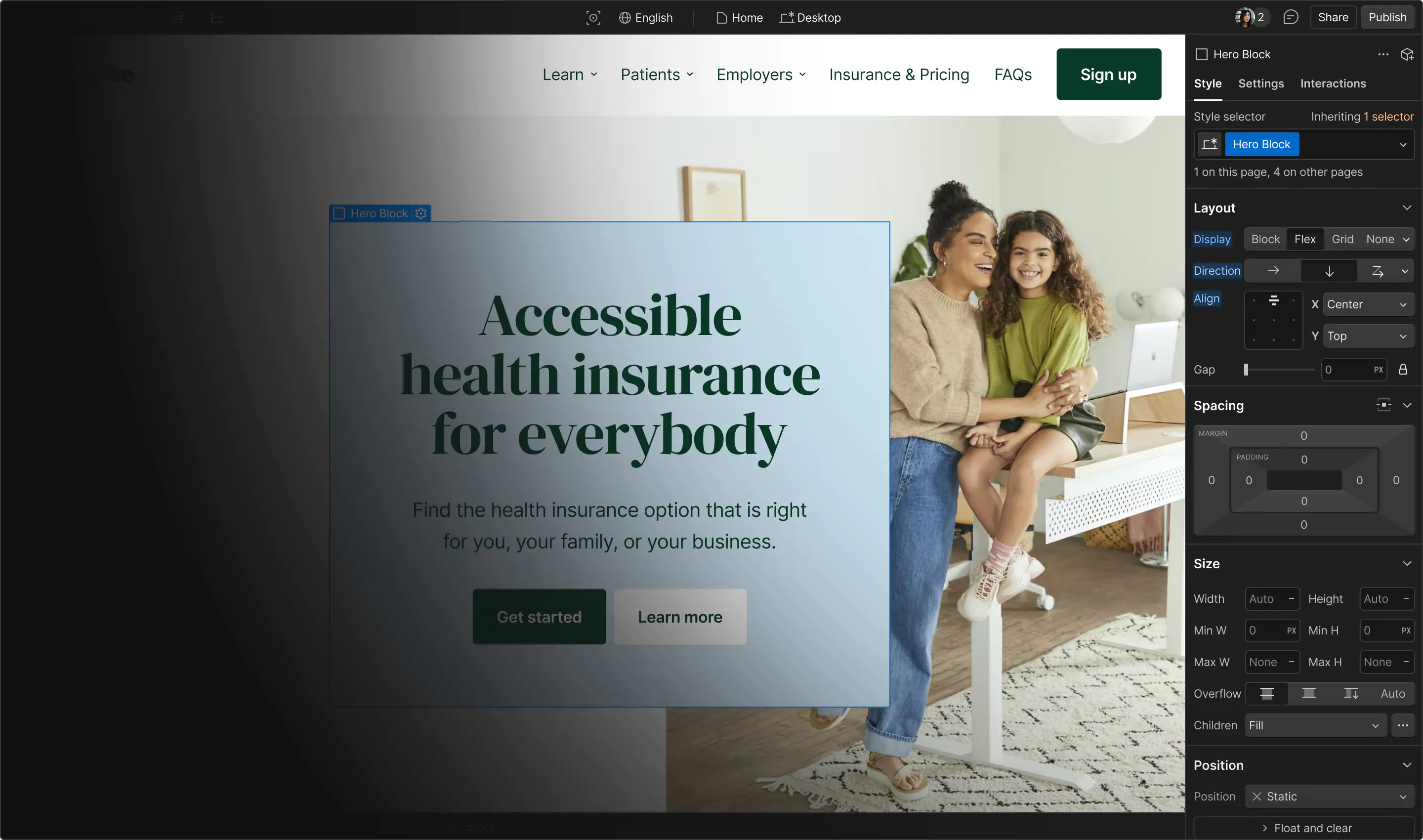
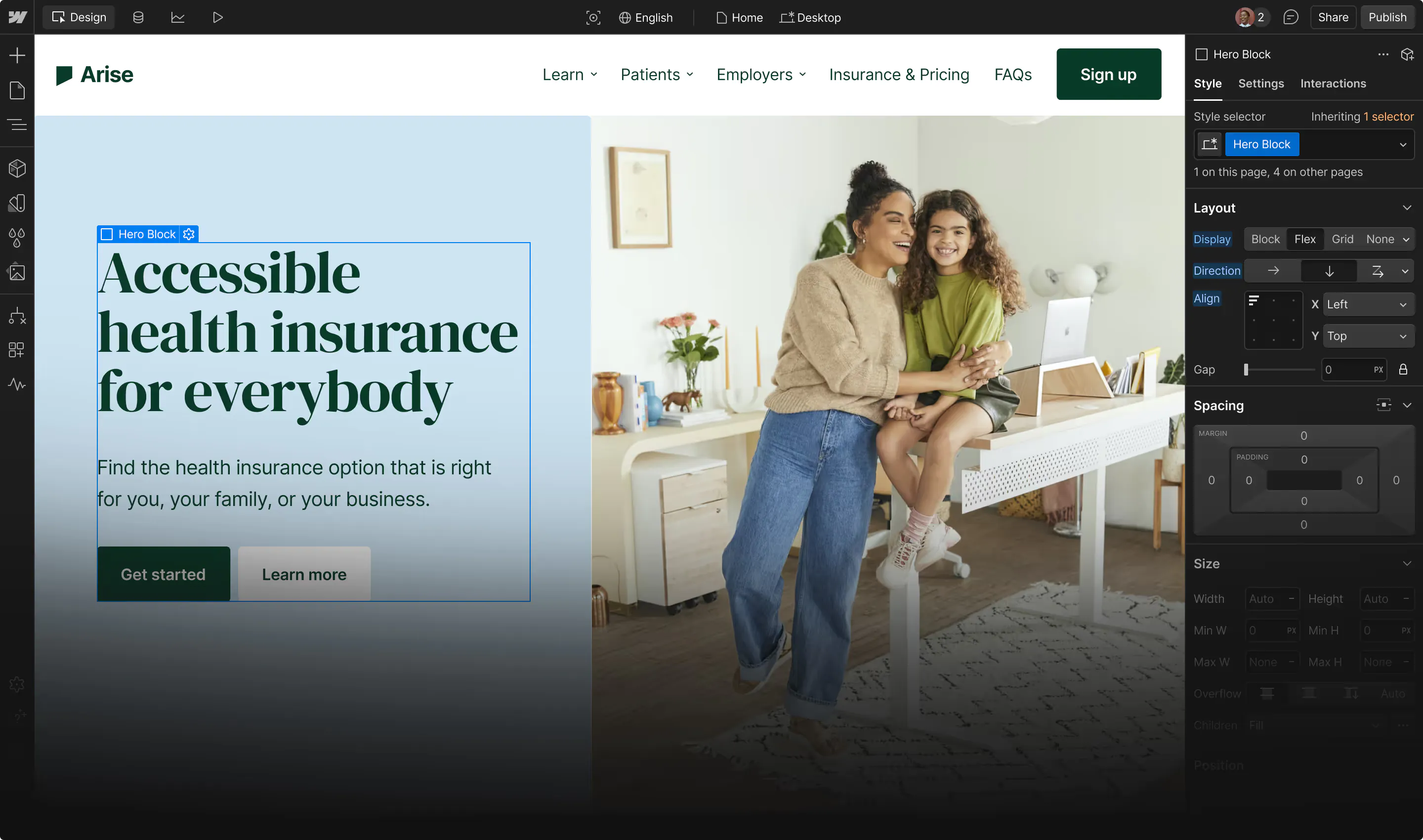
Webflow supports B2B lead generation and drives conversions through landing pages, ongoing content, and content management within one agentic web marketing platform. As campaigns grow, you can quickly publish content without rebuilding workflows. With Webflow Optimize, you can keep testing and improving performance at scale.
Make your site an active lead-generation engine with Webflow Enterprise.

Build with Webflow
Webflow Enterprise gives your teams the power to build, ship, and manage sites collaboratively at scale.