

Spend less time searching for gigs, and more time doing paid work.
Freelancing gives you a lot of control over what you do and who you work with. And best of all, there are more ways than ever to find new clients and build a consistent workload.
Referrals and personal networks still contribute, but freelance-specific hiring platforms are where many professionals start and build successful careers. You get the chance to discover a wide range of global opportunities, grow relationships with clients, and establish a trusted online brand through successful projects and glowing reviews.
In this guide, we’ll look at 10 of the best freelance websites, and help you find the ones that best fit your skill set and schedule.
What are freelance websites?
Freelance websites are online marketplaces where clients hire independent professionals for project-based work or specific services. Instead of applying for a traditional job, you can create a profile on one of these platforms, then connect with clients who need short-term or ongoing project support.
Some platforms cover a wide range of services, while others focus on specific types of work. You can also find remote opportunities that pay hourly or per project.
It’s possible to find clients for just about any niche, but some of the most popular services offered on freelance websites include:
- Website design
- Website development
- Graphic design
- Video editing
- Writing
- Marketing
- Consulting
- Bookkeeping
- Administration
- Virtual assistance
10 best freelance websites
Here are 10 top freelance websites that specialize in particular project types and offer varying levels of support.
- Webflow Certified Partners
- Dribbble
- Fiverr
- PeoplePerHour
- Guru
- Freelancer
- 99designs
- Upwork
- FlexJobs
- Taskrabbit
1. Webflow Certified Partners
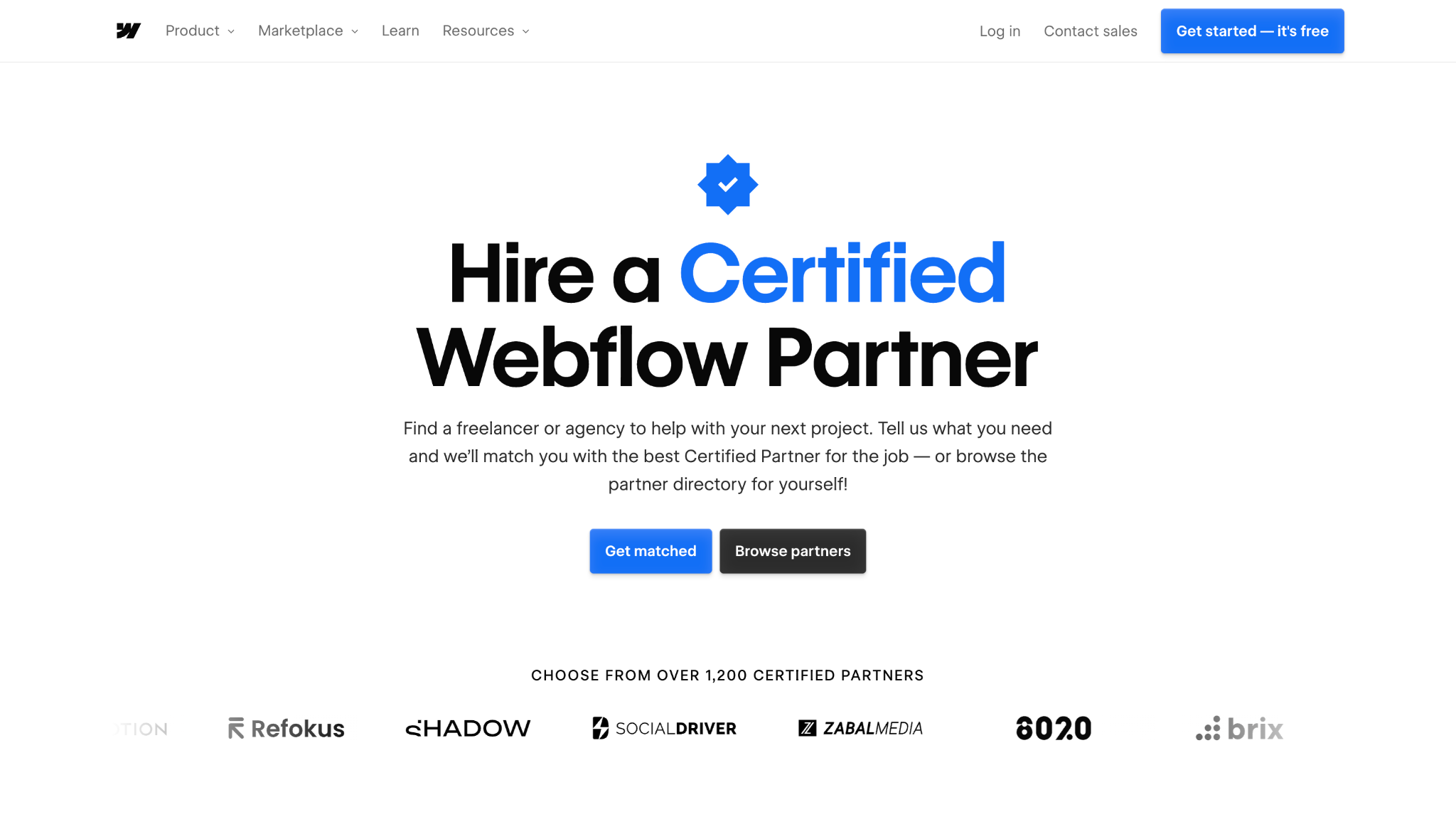
Webflow Certified Partners is the official directory for freelancers and agencies that specialize in creating and migrating sites with Webflow. Certified Partners are carefully vetted, then listed in a directory that clients can browse by service, budget, and location.
Pros:
- Official Webflow credibility.
- Visibility in Webflow’s partner directory.
- Access to clients already looking for Webflow expertise.
- Other partner benefits like community access, events, and training.
Considerations:
- You’ll need to apply and be accepted, so this option is better suited to freelancers with strong portfolios than those looking for their first projects.
Best suited for: Agencies and Webflow specialists who want qualified project leads.
2. Dribbble
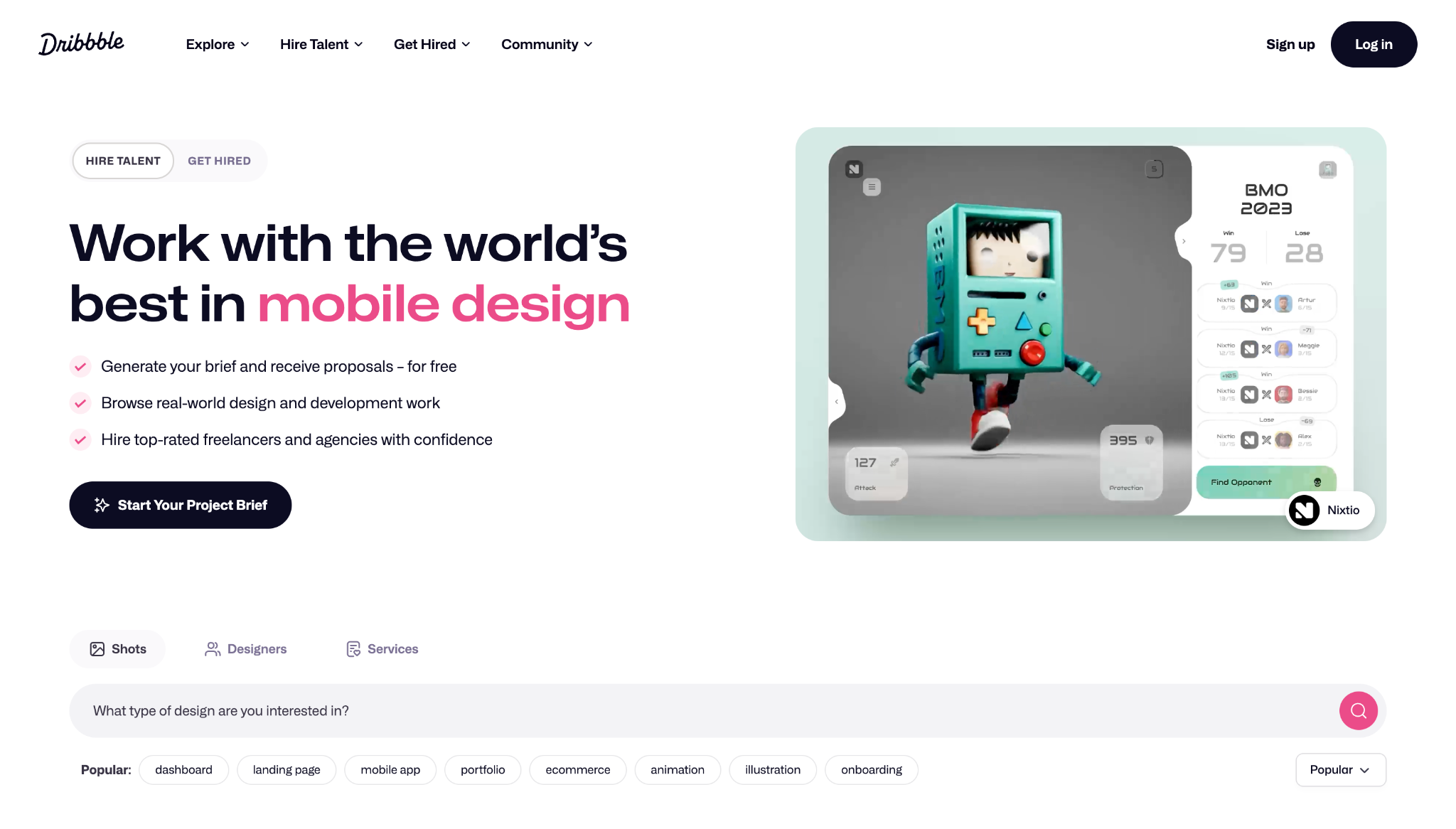
Dribbble is a portfolio and hiring platform for designers where you can share “Shots” (small, visual snapshots of your work). Once you add packaged services and send outbound proposals, you’ll start appearing in searches. Your portfolio or Shots can also be featured in broader service listings and recommendation sections.
Pros:
- Visual portfolio format for showcasing graphic design work.
- Option to add packaged services for faster client purchases.
- Active design community for inspiration and visibility.
Considerations:
- This platform is best suited to visual work, which makes it less appealing to non-design freelancers.
- Standing out can take time because of the platform’s large talent pool.
Best suited for: Designers, illustrators, and motion graphics artists.
3. Fiverr
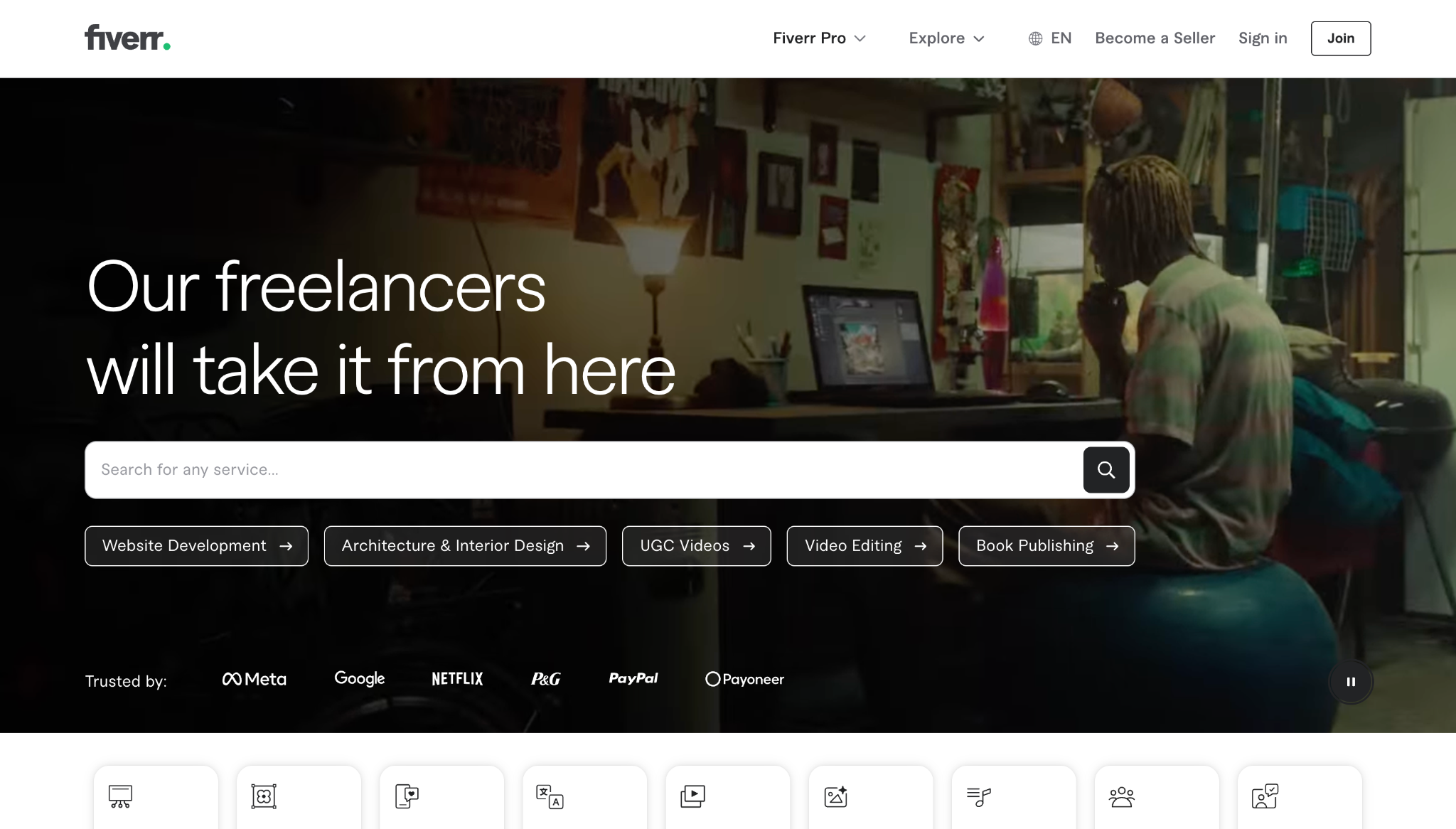
Fiverr is a multi-industry marketplace where you package services as “Gigs” that clients search for and buy. Instead of applying to every project from scratch, you can create service listings with set deliverables, turnaround times, and tiered packages. This makes Fiverr a good option for monetizing repeatable services.
Pros:
- Tiered packages make it convenient to sell varying service levels.
- Option to become ‘approved,’ getting a vetted badge and the chance to offer Pro Gigs.
- Multiple freelancer levels help strong sellers build credibility over time.
Considerations:
- Fiverr takes a 20% commission of each completed order’s purchase amount, so you’ll need to price your services accordingly.
- Popular categories can be very competitive, especially for new freelancers without reviews.
Best suited for: Freelancers who specialize in clearly-defined services and want to offer different scopes and price points for the same projects.
4. PeoplePerHour

PeoplePerHour is a freelance marketplace where you can find project-based work and offer fixed-price services to clients. In addition, you can send proposals or pitch posted projects that clients browse and buy directly. You get a handful of free proposal credits each month, so you can test opportunities without pitching every project manually.
Pros:
- Packaged services and per-item project structures.
- Broad range of freelance categories.
- Workstream communication and payment tools for managing projects.
Considerations:
- Proposal credits are limited, so you’ll have to be selective about the projects you pitch.
- Service fees and currency conversion costs can affect your final earnings.
Best suited for: Freelancers who want a mix of hourly work and fixed-price projects.
5. Guru
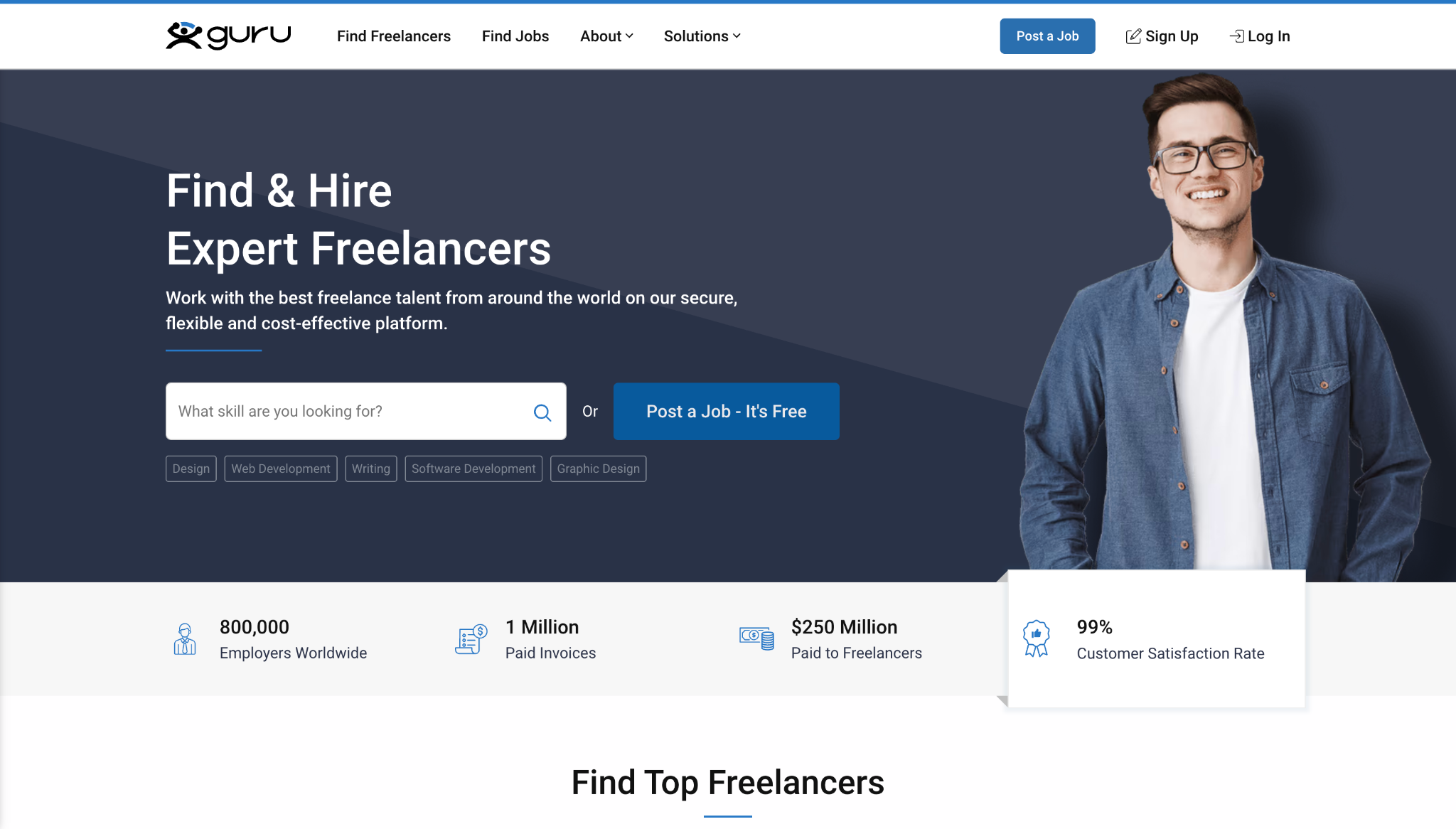
Guru is mainly for professionals in creative industries like writing and design, but it also caters to freelancers in business, engineering, and legal services. This platform’s standout feature is its “WorkRooms,” which are private workspaces created automatically once clients hire you. You can securely communicate with each client in a dedicated WorkRoom, while managing invoices and time tracking.
Pros:
- Fixed-price, hourly, task-based, and recurring payment terms.
- WorkRooms support file sharing and invoicing.
- SafePay payment protection.
Considerations:
- Guru has a smaller overall job pool than larger competitors.
Best suited for: Freelancers who want flexible project terms and secure spaces for client communication and feedback.

Become a Certified Webflow Partner
Apply to join our growing community of Certified Webflow Partners serving clients small and large.
6. Freelancer
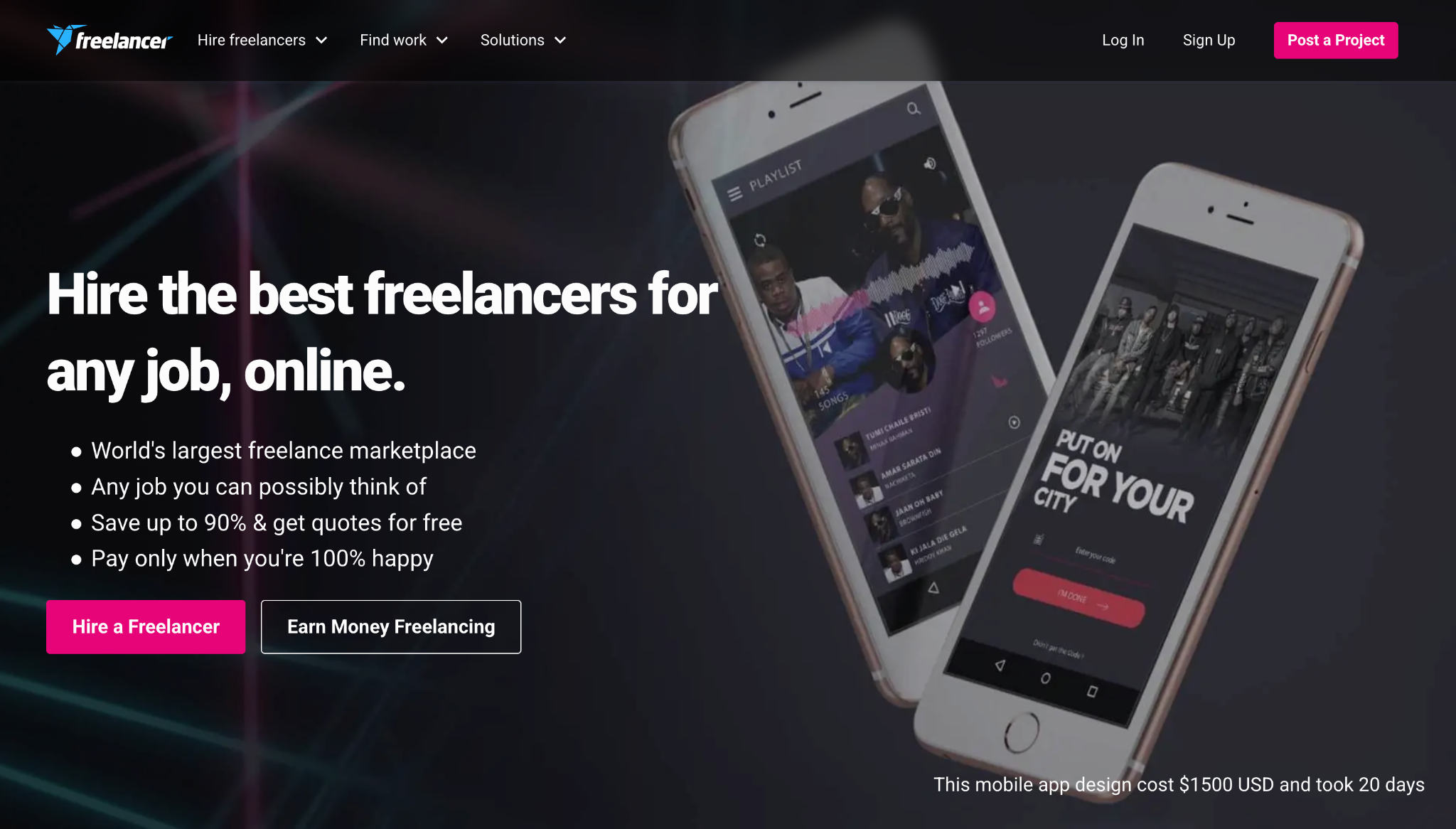
Freelancer is a flexible platform that supports a few different hiring formats. Freelancers can compete for fixed-price or hourly jobs in many categories, including website design and mobile app development. More experienced creative professionals can also participate in contests, responding to client briefs and getting paid if their work is selected.
Pros:
- Large freelance platform with jobs across many industries.
- Global marketplace with widely distributed opportunities.
- Free members can bid, although monthly bid limits depend on membership level.
Considerations:
- Bidding can be very competitive, especially for newer members and less-experienced professionals.
- Both project and contest fees affect your final earnings.
Best suited for: Freelancers who want a high-volume marketplace with bidding-based projects and opportunities.
7. 99designs
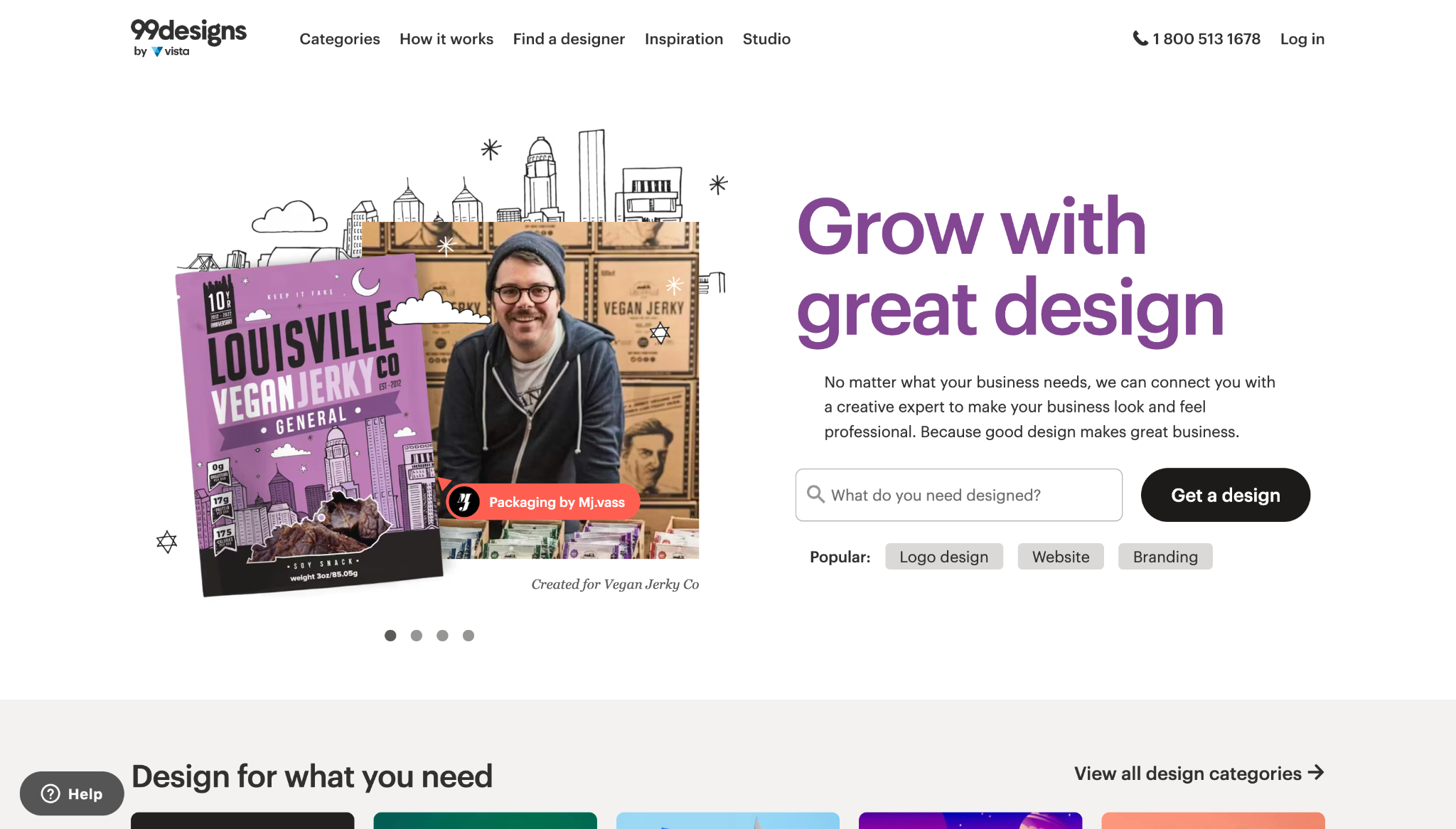
99designs focuses on design-related work, such as branding, packaging, and illustration. Like Freelancer, you can work with clients through one-on-one projects or participate in contests. In the latter model, clients share briefs, designers submit concepts, and winners get paid.
Pros:
- Choose the industries, styles, and categories you want to focus on.
- Designer profiles that showcase portfolio quality and creative range.
- Multiple designer levels reduce platform fees as you gain experience.
Considerations:
- Contest-based work is competitive and potentially time-wasting, as submitted concepts may not be selected and paid for.
- This platform isn't suited to freelance categories like writing, admin support, or consulting.
Best suited for: Designers who want to compete for specialized projects and build direct client relationships.
8. Upwork
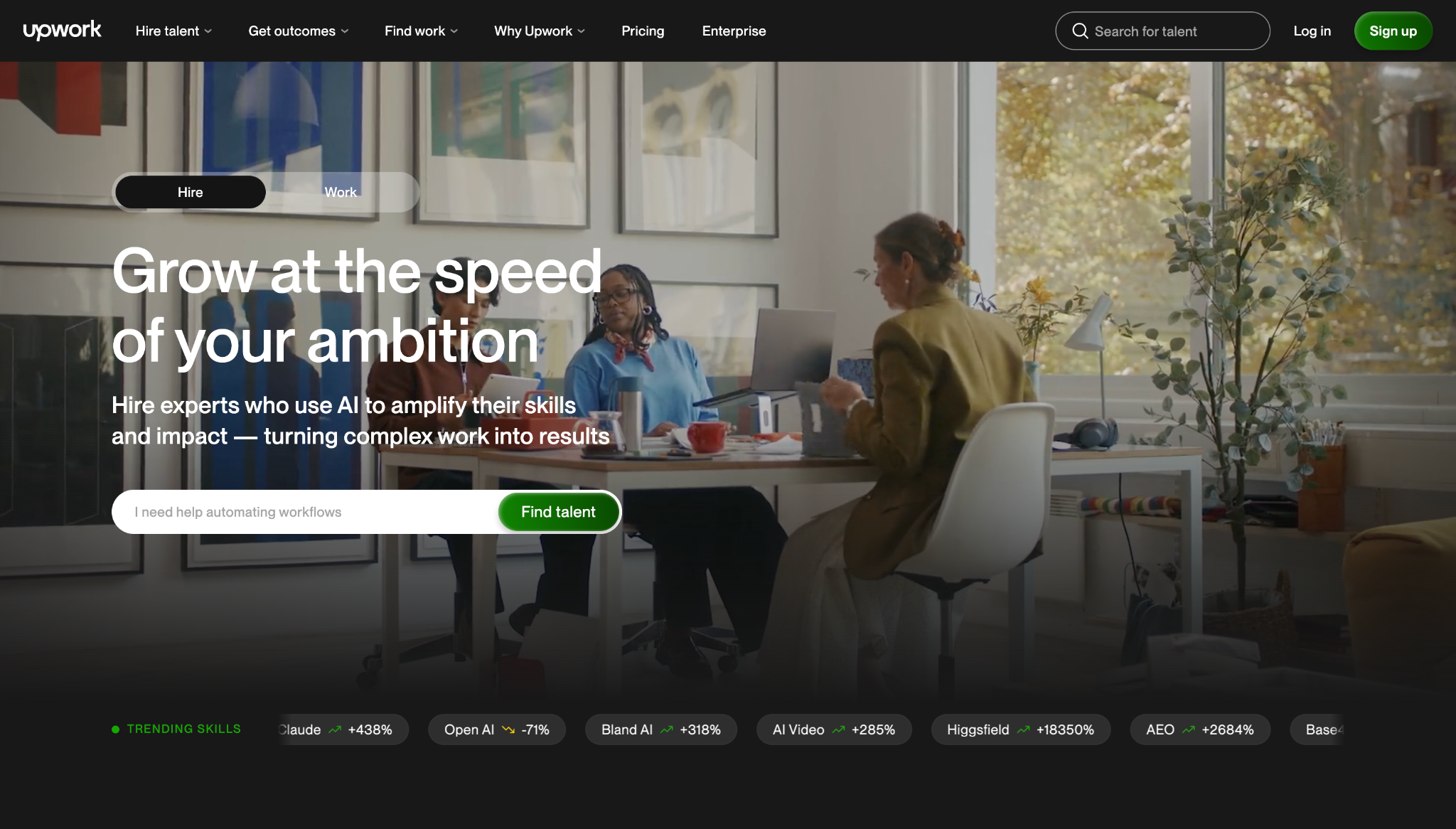
Upwork offers remote jobs and temporary projects across categories like design, marketing, and customer support. Clients can use proposal-based job searching, and freelancers can stand out through credibility signals, including talent badges like “Rising Talent” or “Top Rated” that build trust. Webflow Certified Partners can also find gigs through Upwork.
Pros:
- Talent badges convey social proof to prospective clients.
- Built-in tools for contracts, payments, and client communication.
- Opportunities for one-off gigs and long-term client relationship building.
Considerations:
- Applying to jobs usually requires paying a small fee, whether your proposal is accepted or not.
Best suited for: Freelancers who want remote projects or long-term contracts.
9. FlexJobs
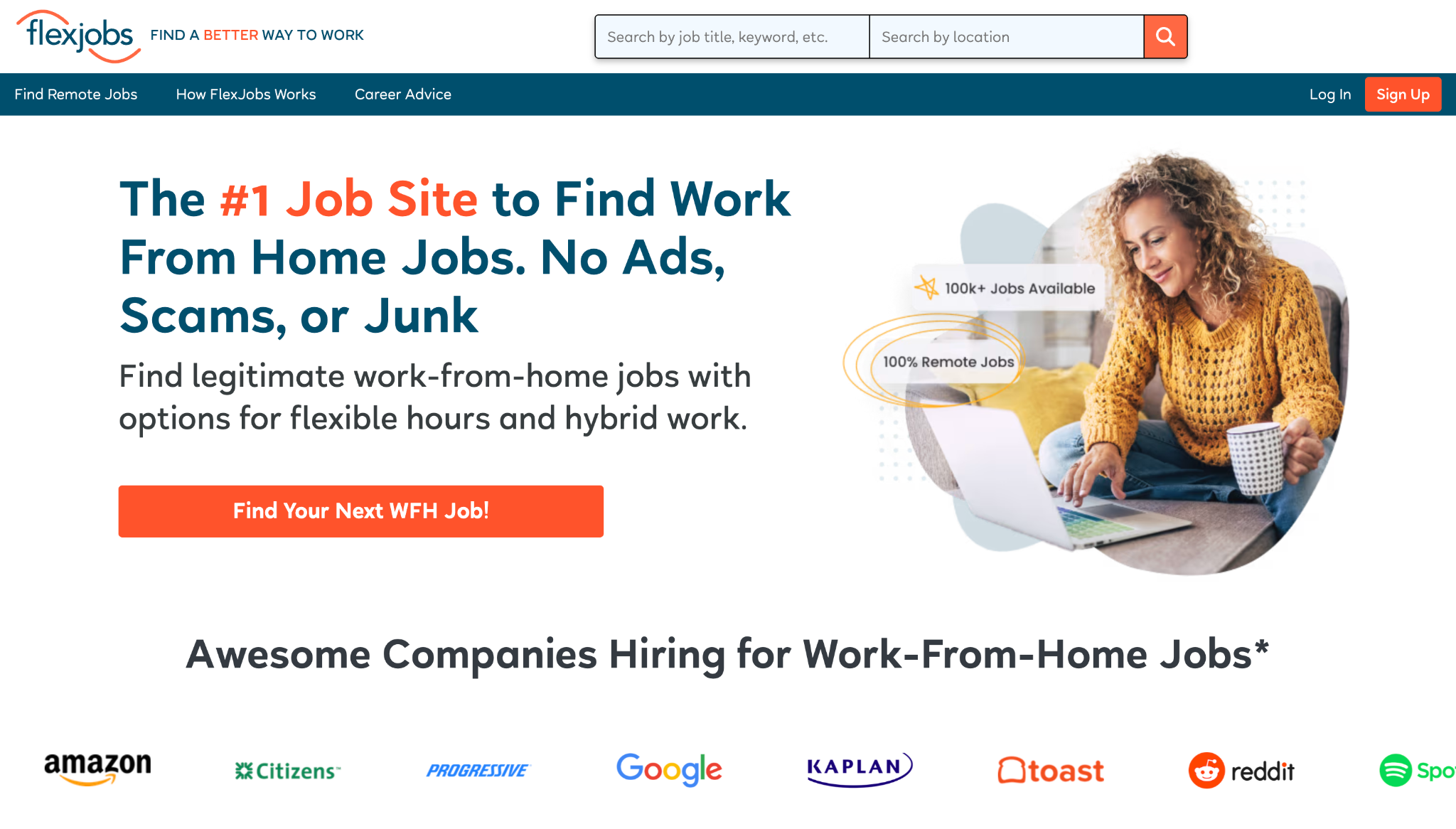
FlexJobs’ biggest advantage is curation. They have a team that hand-screens job listings, so you spend less time sorting through low-quality posts and suspicious ads. This freelance website offers one-time gigs, but it specializes in professional remote job searches, with filters for schedule, location, and experience level.
Pros:
- Hand-picked listings reduce spam.
- Freelance jobs across industries like design, writing, and virtual assistance.
- More structured remote work listings than traditional freelance platforms.
Considerations:
- FlexJobs is a paid membership site, so you’ll need to subscribe before you can access full job listings.
Best suited for: Freelancers looking for vetted remote jobs, part-time contracts, or long-term opportunities.
10. Taskrabbit
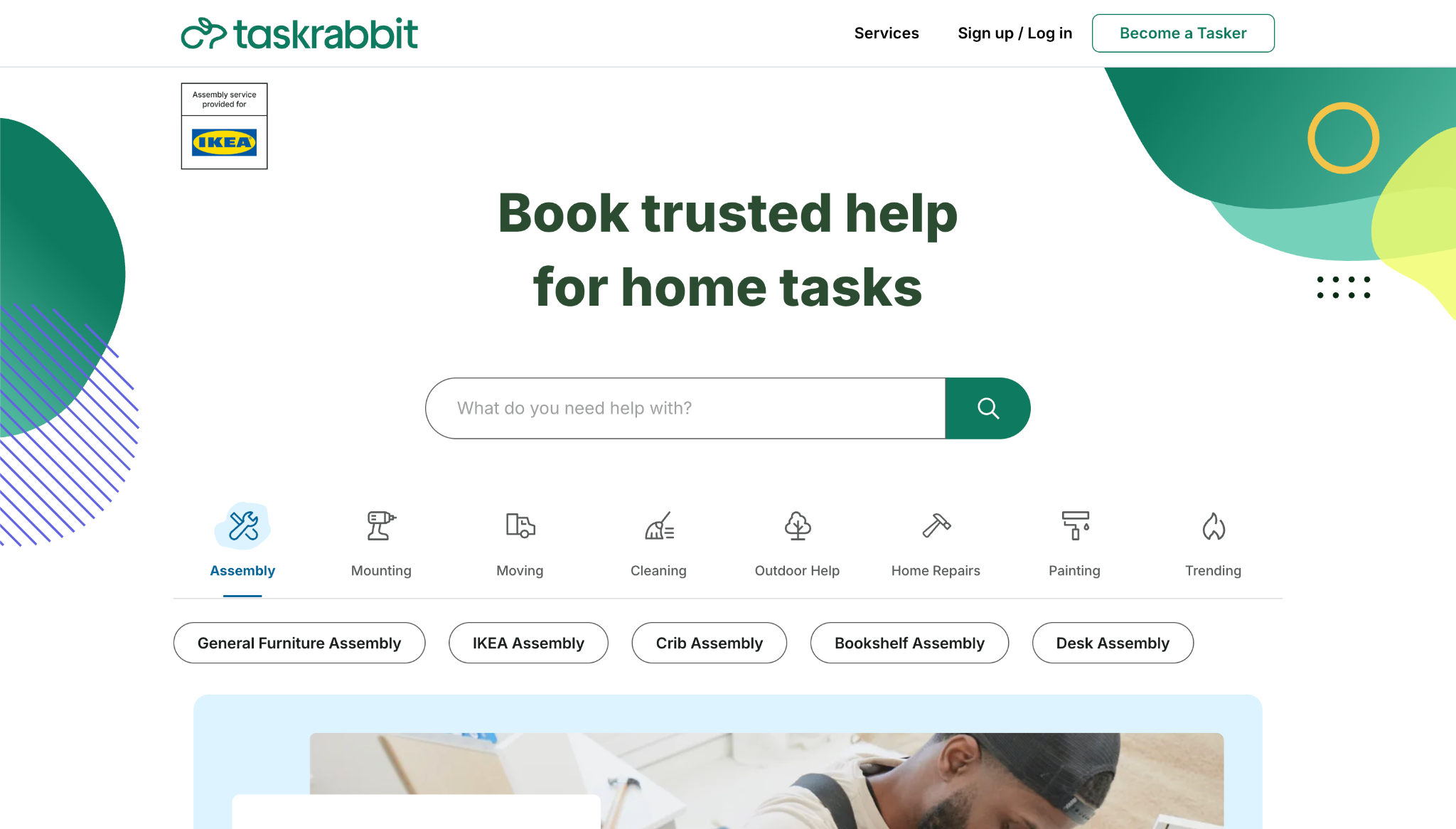
Taskrabbit is a freelance marketplace for local, hands-on services like furniture assembly, moving help, and repair work. Unlike remote-first freelance sites, you set your local work area, then explore and take on nearby tasks. This platform's “Taskers” are independent contractors, so you can set your own hourly rates.
Pros:
- Defined service categories and work areas.
- Hourly work model, which is useful for tasks that vary in scope.
- Keep 100% of the hourly rates you set, plus tips.
Considerations:
- Becoming a Tasker requires identity and background checks, a smartphone, a checking account, and a one-time registration fee (in some cities).
Best suited for: Freelancers who offer local services and hands-on help.
Factors to consider when choosing a freelance website
Before committing to a platform, make sure you know what it provides in these key areas:
- Payment security. Look for platforms with escrow, invoicing tools, or payment protection to reduce the risk of late or missed payments.
- Communication tools. Secure messaging and file sharing keep project details organized and secure.
- Project scope. Choose a platform that fits your experience level and helps you reach clients in the right industries.
- Client-freelancer matching options. Sites with search filters, profile categories, or talent badges help you find suitable clients faster.
Frequently asked questions
Do I need a website as a freelancer?
A website gives freelancers a dedicated space to present their services, showcase their work, and share their experience. It also helps establish a professional online presence that you control, making it easier for prospective clients to learn about your expertise and get in touch.
What should a freelancer's website include?
A freelancer's website typically includes an overview of your services, a portfolio, client testimonials, an About page, and a clear way to contact you. You may also add pricing information, your process, or case studies to help potential clients understand how you work.
How do I get freelance clients through my website?
Focus on creating content that reflects your expertise, optimizing key pages for search, and making it simple for visitors to contact you. A well-defined niche, strong portfolio, and clear messaging can help attract clients who are looking for the services you provide.
Start your freelance journey with Webflow
The top freelance websites can all help you find work, but you’ll be more successful if you narrow your focus to the platforms that fit your goals and working style. Broad marketplaces like Upwork and Fiverr let you reach a wide range of clients, while sites like Dribbble and Taskrabbit serve more specific needs.
As you build your freelance career, your website will also become one of your strongest client acquisition tools. With Webflow, you can create an attractive portfolio that highlights your skills. Flexible layouts let you match the site’s design to your brand, while reusable components mean you can quickly add new portfolio pieces and service descriptions as you grow.
Turn your best work into a visual sales pitch with Webflow.
Grow your freelance business
Take on more clients and build websites faster. Webflow empowers freelancers to design and deliver with confidence, while keeping full creative control.