




Increase your ROI with conversion rate optimization best practices to turn more visitors into sales-qualified leads.
B2B websites have a more narrow target audience than B2C sites, making it a challenge to attract the right traffic and drive it toward conversions. The best conversion rate optimization (CRO) strategies accomplish lead generation by making the most out of every website visitor impression, encouraging prospects to come back when it’s time to buy.
In this CRO guide for B2B marketing websites, we’ll explore what counts as a B2B conversion, which tactics improve conversions, and how to extract actionable insights from little traffic.
What makes CRO different for B2B marketing websites?
B2B conversion rate optimization involves attracting and qualifying clients by addressing their unique buyer journey: B2B website visitors typically aren’t there to find a product and check out. They usually want to know what your service can do for their team, which requires a more nuanced and gradual approach.
B2B clients typically have longer sales cycles with more decision makers. Given the high price and acquisition costs of SaaS products, your site’s user journey should communicate ROI and provide social proof or a sales demo.
What actions count as conversions on a B2B website?
Website conversions aren’t only purchases or signups. B2B conversions include any actions website visitors take on their way toward meeting with your sales team and, ultimately, signing a contract.
Primary conversions
Primary conversions are the big steps potential clients take to show their interest. Qualifying leads and tailoring primary conversion opportunities based on their needs or preferences increases the likelihood that they’ll convert. Examples of primary conversions include:
- Demo requests. Enable leads to schedule an in-person or virtual meeting with company representatives to understand how your service works.
- Contact forms or quote requests. Simple submission forms gather contact information and some basic details to calculate an estimate or continue the conversation.
- Free trial or account signups. Offer a peek through the window, letting potential clients see what your service is all about.
- Consultation bookings. Let prospects book time on your calendar to discuss what your service can do for them.
Micro-conversions
B2B clients usually don’t fully convert on their first visit to your website. They’re more likely to browse for a while, download materials they can take to their team or manager, and return later for more information. These micro-conversions establish a valuable rapport and include:
- Gated content and asset downloads. Prospects being willing to exchange contact information or other details for a downloadable resource is a good sign of early trust.
- Newsletter signups. No one wants their inbox flooded with newsletters from a dozen different B2B SaaS companies. If they subscribe to yours, that means they think you’re worth considering.
- Pricing page views. Visits to your pricing page mean you’re at least getting as far as the “Is it worth the cost?” step in the buyer journey. And interactions on this page, like comparing pricing packages or feature options, show you which visitors may be closer to making a purchase and more likely to convert.
- Webinar or event registrations. If prospects sign up to spend time attending an online or in-person event, you have a clear opportunity to impress them and continue a relationship.

Discover what performs best and deliver it at scale
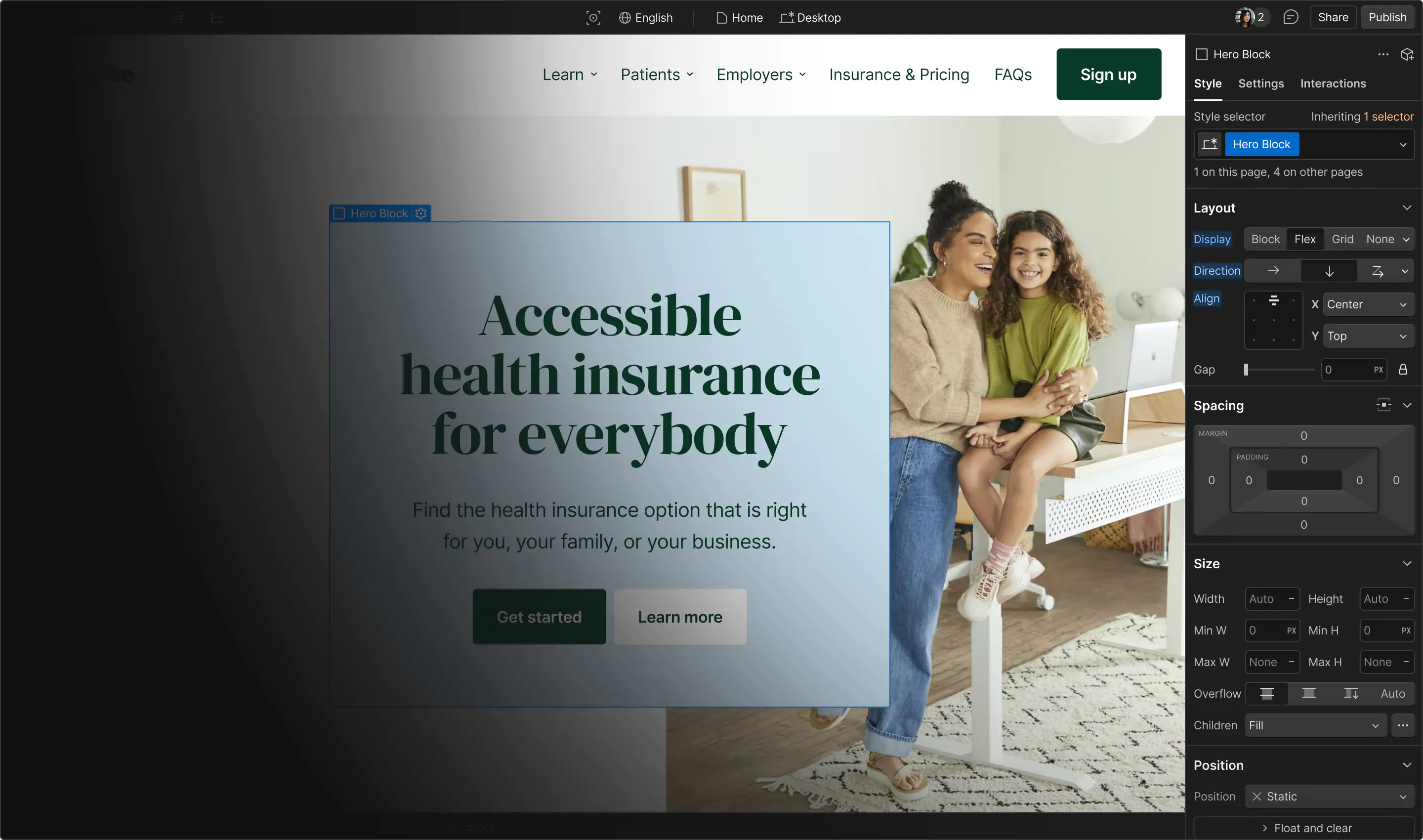
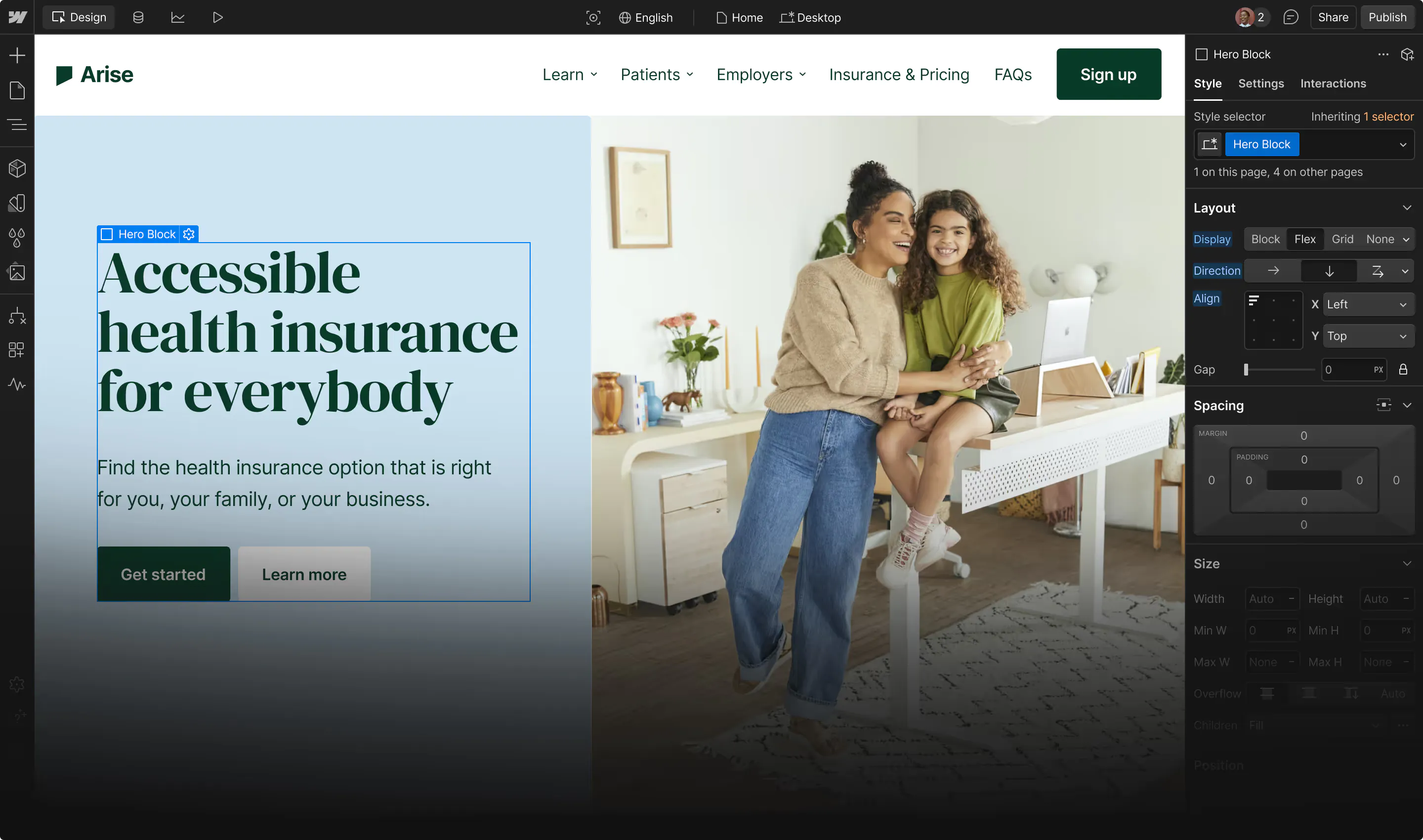
Maximize conversions with rapid insights, tailored visitor experiences, and AI-powered delivery.
B2B CRO tactics to improve conversion quality
The best lead generation strategies optimize both the volume and quality of new qualified leads. The following strategies work well together to accomplish these goals.
Landing page optimization and hero messaging
B2B landing pages are a one-stop shop for lead generation and conversions. They’re the follow-through for ads, emails, or search results, directing interested visitors further down your sales funnel.
Here are a few key elements of great landing pages:
- Outcome-led headline. An action-oriented and benefit-driven headline makes a promise that addresses a real pain point, getting initial buy-in that builds momentum with website visitors.
- One primary CTA. A focused call to action puts the next step in the buyer journey front and center, so potential clients are never too far from taking it.
- Proof near the fold. Spotlighting social proof right away builds B2B credibility by showing website visitors that other companies already trust your brand.
Forms and conversion paths
The path visitors take through your site is as important as the form they eventually reach. Providing an easy-to-navigate user journey streamlines the lead generation experience:
- Multi-step forms. Questionnaires introduce branching paths that gather information while offering visitors a more personalized experience.
- Progressive profiling. As visitors self-select their way through the site, you can learn about their use case, pain points, and pricing goals.
- Tell visitors what happens next. If you assure visitors that a representative will reach out within three days after they fill out a form, for example, be sure to designate team members responsible for personally following up and making a connection. Setting clear expectations and following through on a promise builds trust your sales team needs to close the deal.
Trust signals and social proof
Website visitors may come to your site with some skepticism, and it’s your job to win them over:
- Customer reviews and third-party ratings. Independent buyer reviews and ratings turn your best customers into your best spokespeople.
- Testimonials and case studies. More detailed reviews and case studies show how your service addresses a specific use case or pain point visitors might relate to.
- Certifications, badges, and awards. In highly competitive markets, independent industry awards and recognition can vouch for your expertise.
- Integration logos. Supporting integrations demonstrates that your service fits naturally into clients’ existing workflows.
How do you run A/B tests on a low-traffic B2B site?
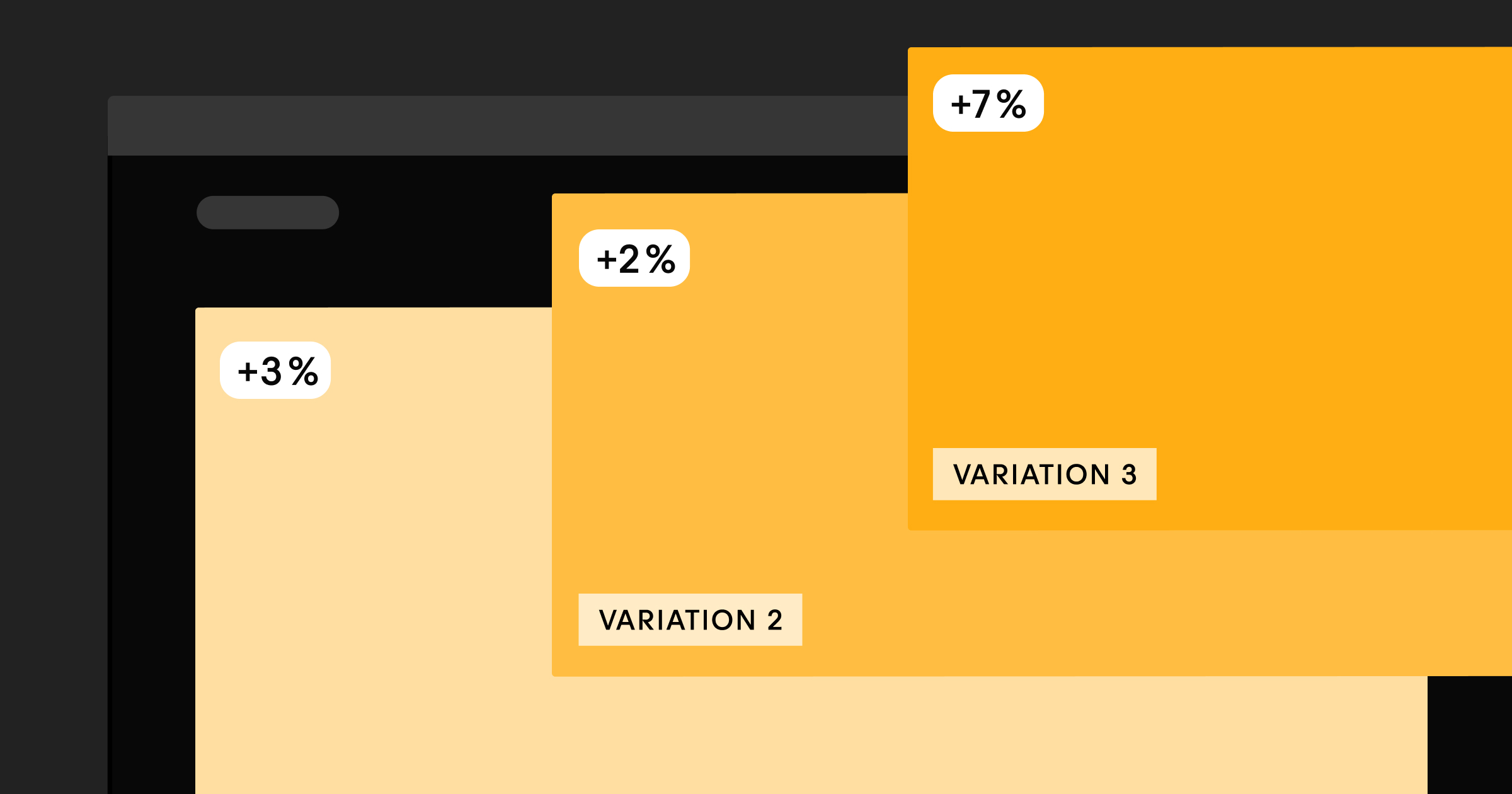
Since B2B websites don’t receive as much traffic as B2C sites, it can be difficult to extract useful insights about what’s working and what isn’t. A/B testing segments visitors into different experiments so you can compare conversion rates and discover which layouts, headlines, or CTAs generate more momentum.
What you change and how you measure are critical elements of A/B testing B2B CRO strategies. It’s common to change and test the layout template or headlines and CTAs more than the content itself. Use the same assets, such as downloadable files, images, and text, and test how rearranging them affects micro-conversions.
To gather A/B testing data, you must learn everything you can from every visit to your website. Testing methods include:
- User testing. Use a service like UserTesting.com to get detailed feedback about the user experience from real people you can actually speak with.
- Session recordings and heatmaps. Watch what visitors actually do on your page so you can see what draws their attention and where they gloss over CTAs, ignore case studies, or bounce out of your sales funnel.
- Heuristic analysis. Observe where people abandon their session or use the back button after a dead end in their discovery. These instances may expose friction in your user experience.
- Tree testing and card sorting for navigation. You aren’t the best person to decide how to organize your site navigation because you already know everything that’s on the site. Tree testing and card sorting provide fresh perspectives from people who haven’t seen your site before.
Convert B2B website traffic into a qualified pipeline with Webflow for CRO
A successful B2B CRO strategy focuses on quickly generating qualified leads. Repeated testing and optimizing helps you home in on the user experience that reliably brings visitors to content that converts them.
Webflow has several features to support your CRO efforts. Webflow Optimize automates A/B testing experiments, website personalization, and results tracking, while Webflow Analyze adds a native analytics suite for a unified view of site performance.
Explore how Webflow Enterprise solutions help companies increase traffic and achieve a 332% ROI by switching to a scalable, full-stack web hosting platform.

Build with Webflow
Break free from the constraints of traditional platforms. Migrate your site to visual-first platform that combines design flexibility with powerful CMS capabilities.


