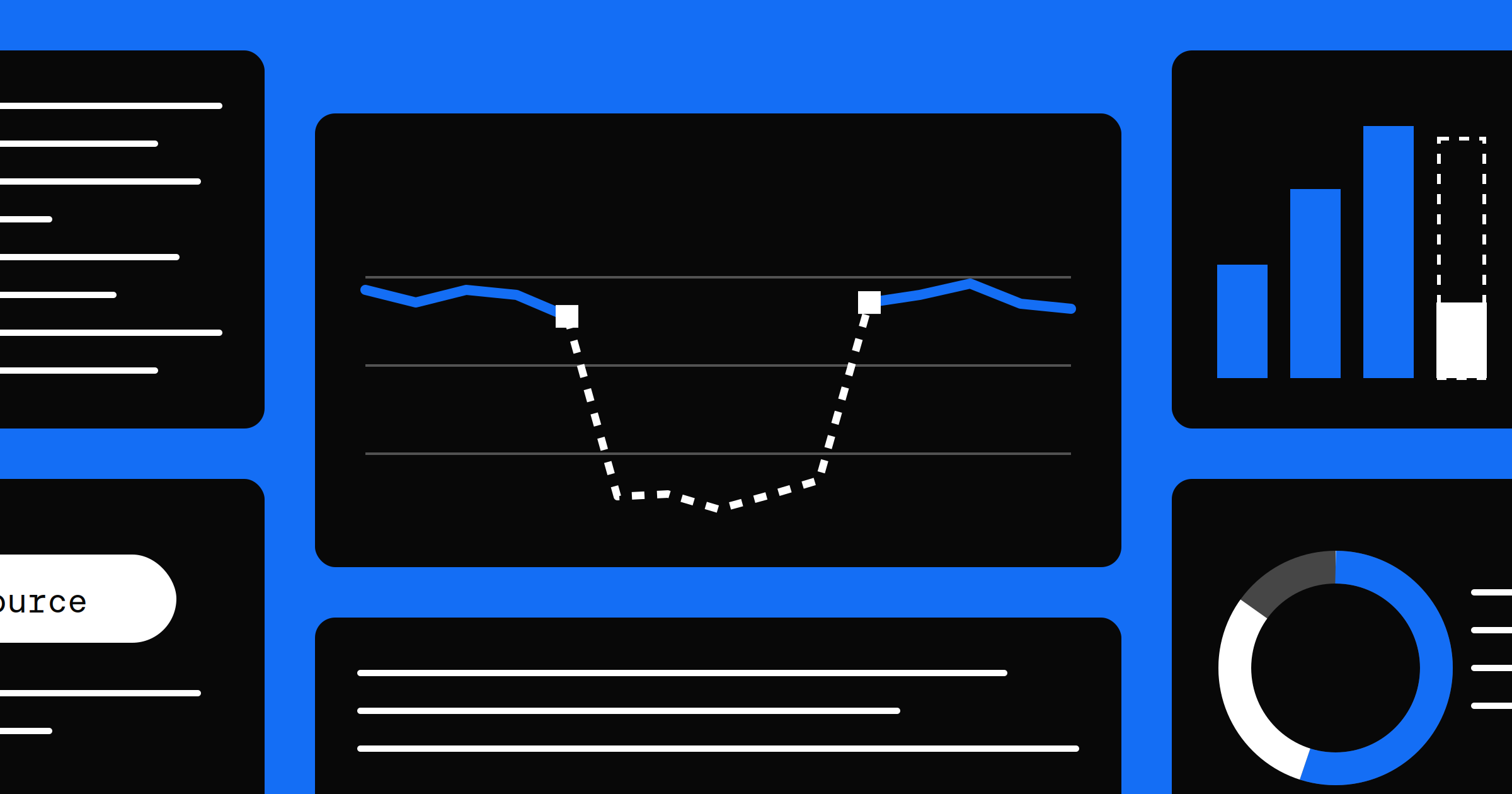




It’s my first week on the job as our website growth marketer. When reviewing our own site analytics for marketing reporting this week, my team was surprised and concerned to see a 56% decline in ChatGPT-attributed traffic to webflow.com. Tough way to start your first week. That decline started on October 8th, and has stayed down until October 15th, 2026. Digging into user data, we found that across all customer sites which use Webflow Optimize and/or Analyze, there was an average 47% decline in ChatGPT attributed traffic. Other AI sources, like Gemini, Perplexity, and Claude, saw no similar decline. Turns out ChatGPT had shipped an update that affected tracking, that they fixed yesterday, October 15th.
Marketers know the feeling of a reporting number that swings with no explanation. When that happened to us, Webflow Analyze, Webflow AEO and some industry context made the cause clear. Here is what happened, why your own ChatGPT numbers likely moved, and what to do with your October reporting.
What happened
In June, OpenAI added UTM tags to the citation links in ChatGPT answers. UTM tags are labels at the end of a link. Analytics tools like Webflow Analyze and Google Analytics 4 read them to report where a visit came from. Here, the label was ?utm_source=chatgpt.com. The Webflow link at the bottom right of the image below, for example, points to https://webflow.com/?utm_source=chatgpt.com.

On October 8, with the launch of GPT-6, OpenAI removed UTM tags from those inline links. From then on, Analytics tools that rely on UTMs instead started logging visits from ChatGPT as Direct or Unassigned instead of AI traffic. That is why users saw the 47% average drop of ChatGPT session volume traffic in their analytics tool. This drop was consistent across device types (desktop, mobile, tablet).
On October 15, OpenAI restored UTM tags to all inline links, and attribution returned.
What to do
- Annotate October 8 to 15 as inaccurate. Do this for ChatGPT data in any analytics tool you use which relies on UTMs for attribution. You may see a bump in Direct traffic proportional to your loss of ChatGPT traffic. The visits happened, and they landed in the wrong bucket.
- Keep your strategy and prompt tracking as they are. The drop reflected a tracking change, not your site’s performance.
- Continue to track both LLM-referred visits and direct traffic as a proxy. For brands that use sales calls with their customers, a “how did you hear about us” question on calls can be a great way to understand their journey.
- Keep measuring AEO across every AI search engine. Webflow AEO shows how your brand appears in ChatGPT, Claude, Perplexity & Gemini and gives you prioritized recommendations to improve.
What's next
The world of agentic search is evolving every day. As your brand navigates the shifting landscape of AEO, you deserve a platform that stays dynamic as models change, and meaningfully helps you grow your AEO visibility. If you read this article and thought “I wouldn’t have even known if my ChatGPT traffic dropped”, contact sales to learn more about Webflow’s AEO and site analytics features.
Want to understand how your site stacks up for AI-led discovery?
Get your free AEO maturity assessment today