


A consistent brand builds trust and recognition faster, turning first impressions into lasting connections.
The way you present your brand shapes how new audiences react to your content and whether they stick around to learn more. To create a successful online identity, you need to use branding elements intentionally to communicate who you are and what you offer.
When executed correctly, strong branding choices combine to create a reliable, trustworthy presence. In this guide, we’ll break down the important components of brand identity and explore real-world examples of brand elements in action.
Why great branding matters
Branding is everything that makes an individual or organization’s presence unique. It encompasses the big picture, such as your values and mission, alongside more concrete details, like color palette and tone of voice.
Taking the time to cultivate a strong brand identity can:
- Help you stand out. In a sea of competitors, an original brand might make your target audience notice you.
- Make you more recognizable. If your website and other online content is distinctive, people can tell at a glance where your messaging comes from.
- Build credibility and authority. A carefully designed, consistent brand identity communicates professionalism and encourages trust.
7 branding elements and examples
Let’s look at seven examples of websites with cohesive brand identities, and look at what you can take away for your own site design.
- Purpose
- Values
- Positioning
- Promise
- Voice
- Identity
- Experience
1. Purpose
Your purpose is why your brand exists in the first place, so it should inform all the other elements you choose. Get as specific as possible about what you’re trying to achieve, whether that’s sharing a valuable idea or providing a monetized service. And think about your purpose from two angles: what you want to accomplish with your site and what your brand offers to its audience.

Ruckus’ creative agency website communicates purpose immediately through a homepage that opens with a human-centric mission statement: "We believe in brands that care less about themselves and more about humanity." This one line explains both what the company does and why visitors should care about it. The rest of the site reinforces that purpose with messaging about being "a force for good" and helping clients build "a more compassionate and creative world."
2. Values
Knowing your brand’s values helps you create a compass to guide all your decisions moving forward. These should be values you care about, so they feel genuine, and they need to resonate with the audience you want to attract. Stick with a few core values to keep your message clear, and reflect them wherever possible in your choice of language and visuals.
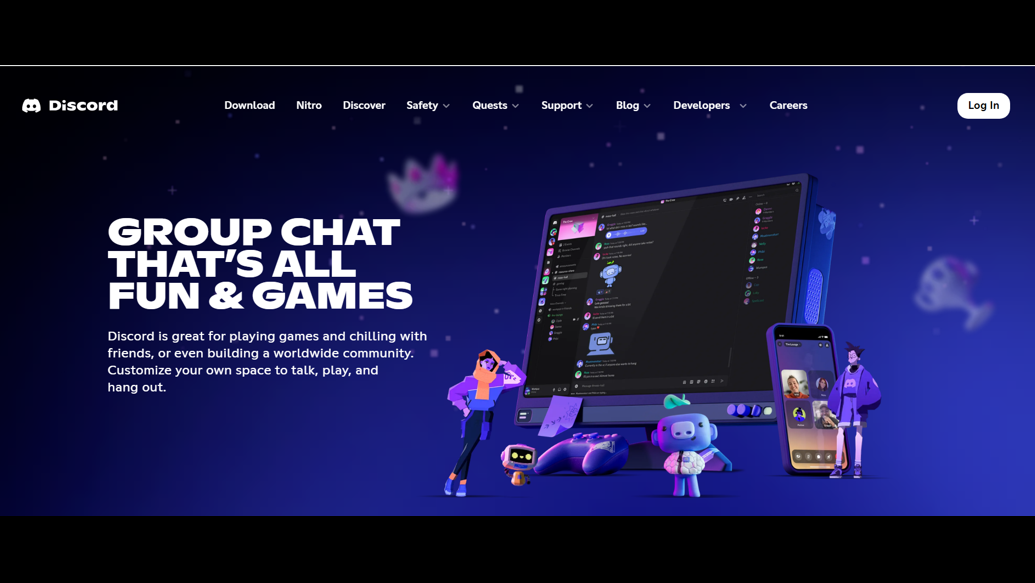
As a brand, Discord focuses on building community and creating a sense of belonging. To get these values across, the platform uses a playful visual style with bright colors and cartoonish visuals. Core brand assets, like the Clyde robot logo and the mascot Wumpus, are designed to look cute and friendly. Text choices, such as “Stream like you’re in the same room” and “See who’s around to chill,” underscore the importance of community and make people feel welcome.
3. Positioning
Positioning refers to where your brand sits in relation to competitors and the role it plays for your target audience. To clarify your positioning, you’ll need to do market research and lay out exactly how you’re different from the alternatives. You can apply that knowledge by using your brand to convey what you offer that’s unique or what underserved audience you speak to.
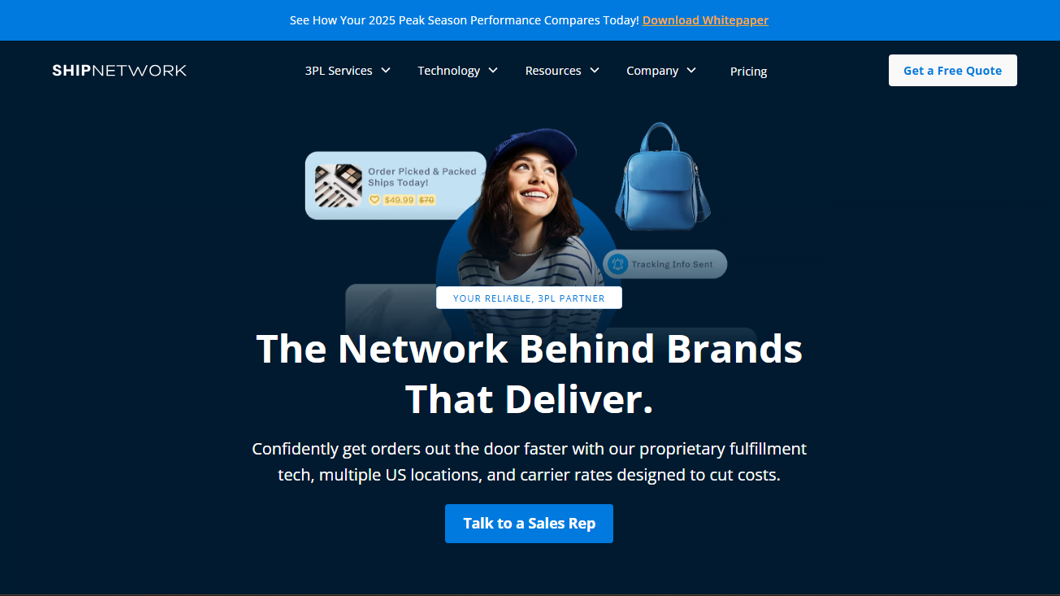
ShipNetwork demonstrates the power of positioning by labeling their company as “the network behind brands that deliver.” This messaging frames ShipNetwork as a strategic partner that makes a real difference for clients’ business, not another faceless and easily replaceable vendor. ShipNetwork also emphasizes their human support, making it clear through text elements and calls to action (CTAs) that in a world of robot-like interactions, this company puts people front and center.
4. Promise
Your promise is the commitment your brand makes about the value and experience people will get from interacting with your content or using your products. This promise should align with your brand’s purpose and values, and work alongside your positioning to show visitors what only you can offer them.
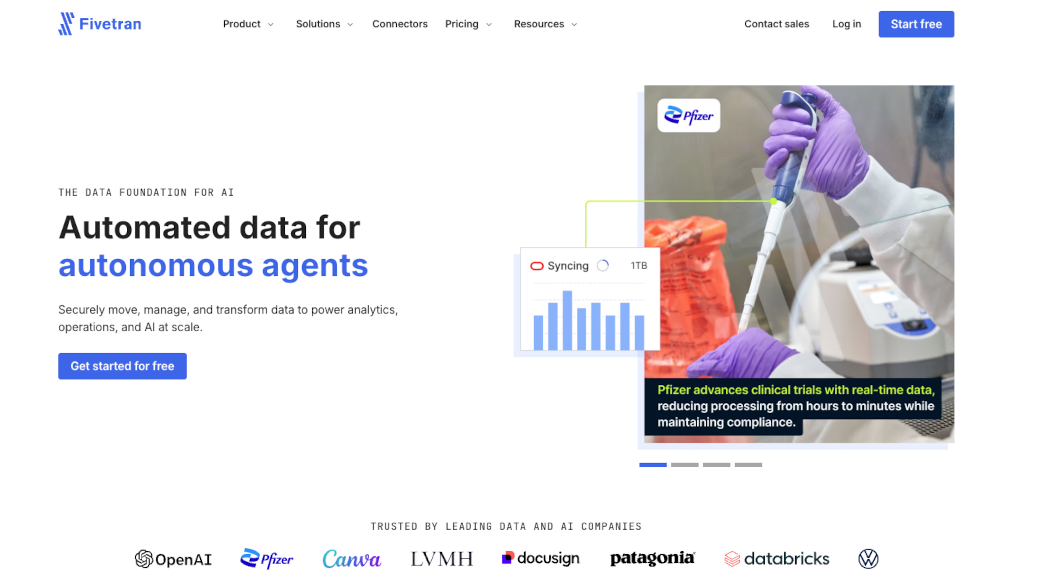
Fivetran’s website features bold brand promises front and center, including “all the context your AI needs” and “turn raw data into your most valuable business asset.” Then Fivetran offers data to support those statements, such as “156.5M+ pipeline syncs per month,” plus client reviews with impressive numbers like “saved 1.15M annually.” Additional proof includes a comprehensive portfolio and a blog sharing industry expertise.

Get started for free
Create custom, scalable websites — without writing code. Start building in Webflow.
5. Voice
Voice is how your brand sounds when it ‘speaks’ through written or spoken language. Whether it’s authoritative, whimsical, or neighborly, a well-defined voice tells people who you are. Choose a tone that reflects your positioning and resonates with your audience, so all your messaging represents the brand accurately.

Jasper’s website shows how this company helps marketing teams create content using AI. Although the product is complicated, the brand voice avoids technical jargon and dense language. Instead, Jasper speaks like a knowledgeable peer offering clear, confident solutions, with phrasing like “move faster, stay on brand, and scale content.” With their straightforward voice, this brand signals that their tool is built for people who need results, not technical complexity.
6. Identity
To build your brand’s identity, you’ll take everything we’ve talked about so far and translate it into concrete elements. That includes logos, color palettes, typography choices, and media. All these brand elements should be informed by your values and promise. This way, the design elements convey what’s important about your brand, while working together cohesively so you can mix and match them as needed.

FlowFest’s website breaks away from formal corporate event norms to establish a more approachable brand identity. The sunshine logo, bright colors, and cartoon-like graphic style project a creative and relaxed identity. Text uses playful and informal language (e.g., “good times” and “a banging lunch”), while visuals focus on faces to show that FlowFest values community.
7. Experience
The way your audience interacts with your brand determines their experience. This is the sum of every touchpoint, including your website, marketing content, product interface, and support system. Whether someone is interacting with your brand for the first or the hundredth time, they should see the same identity and hear the same promise.
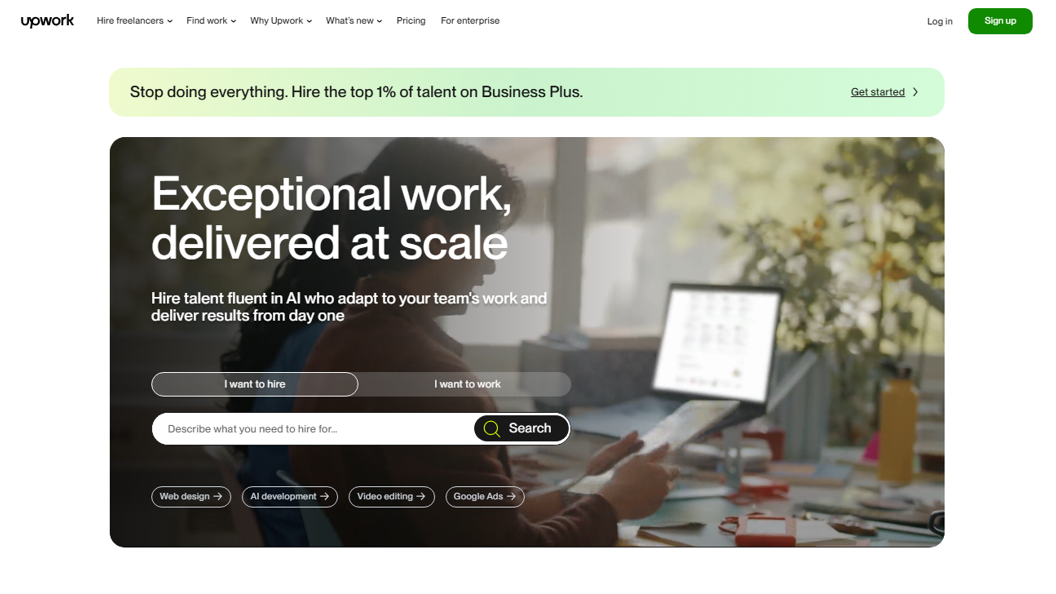
Upwork builds its brand experience around removing friction for busy freelancers and the companies that hire them. Their homepage uses a clear, well-segmented layout to quickly walk visitors through key details and show them how to get started. Because Upwork’s two audiences benefit from different experiences, the CTAs funnel into a choice between “Client” and “Freelancer.” Each segment leads to a structured journey with only the information that audience needs, removing as much friction as possible between intent and action.
Best practices for successful branding
Now that you understand the aspects of strong branding, here are some best practices for applying them to your website:
- Define your target audience. Know exactly who you’re talking to, and understand what they want and value. Take the time to research their pain points and preferences so you can reflect that knowledge in your branding elements.
- Lead with purpose. Every word or visual choice should connect back to your ultimate ‘why,’ so you can be confident that it contributes to your big-picture goals.
- Prioritize consistency. Create a style guide to make sure your colors, typography, voice, and media choices align across all your spaces and content.
- Audit your brand regularly. Markets shift and audiences evolve, so what felt relevant a few years ago can feel disconnected from your purpose today. Schedule regular reviews to make sure your visual elements, messaging, and positioning still align with your goals.
Build a branded website that makes an impact with Webflow
When you choose the right branding elements, then use them thoughtfully and consistently across your website, you’re in a better position to grow a following. A strong brand builds trust and recognition, giving your target audience a reason to choose you over the alternatives.
To create that level of brand cohesion, you need a platform that helps you maintain consistency across every touchpoint. Webflow lets you customize page structures so they reflect your identity, and leverage reusable components to create brand elements once and use them throughout your site. Plus, you can use advanced styling options and complex interactions to create a compelling digital experience that spotlights your brand's core promise.
Get started with Webflow and turn your vision into a fully branded website.
A better way to build for the web
Webflow is creating a world where marketers, designers, and devs can collaboratively launch web experiences that get results — fast.